
Things to Do in Ouagadougou in October
October weather, activities, events & insider tips
Low Season · Budget Friendly
October Weather in Ouagadougou
Long-run averages for October
96°F (36°C)
High Temp
75°F (23°C)
Low Temp
1.3 inches (33 mm)
Rainfall
60%
Humidity
11
Sunny-Day UV
⚠ October is peak malaria season in Ouagadougou. Standing water from receding rains breeds mosquitoes across the city. The insects swarm at dusk and dawn. This is when outdoor dining and live music peak. Prophylaxis is essential. High-concentration repellent is essential. Treated bed nets are essential. These are not optional precautions. Pack them.
⚠ Thunderstorms strike fast. They bring intense downpours, strong winds, and localized flash flooding on unpaved roads. Most pass within an hour. You can still get stranded. A maquis or market becomes a trap without shelter. Carry your rain jacket. Morning skies lie. Clear weather means nothing here.
⚠ 36°C (96°F) plus 60 percent humidity feels worse than the thermometer shows. Heat exhaustion threatens visitors unaccustomed to the Sahel. Limit strenuous activity to early morning and late afternoon. Drink water continuously. The midday sun drains you fast. Do not underestimate it. Respect the heat.
Is October Right for You?
Weigh the advantages and considerations before booking
Advantages
- + The Sahel at its greenest. Four months of rain have transformed Ouagadougou's ochre-and-dust landscape into something barely recognizable from its dry-season self. Baobabs carry full leaf. Neem trees grow thick with foliage. The city's parks grow so dense with undergrowth that you can hear the canopy dripping at dawn. This lush window closes by mid-November. The grasses yellow and crack.
- + The rains have largely stopped. September dumps 5.6 inches (142 mm) on the city. October drops to just 1.3 inches (33 mm). Most days stay dry. The storms that do arrive tend to be short, dramatic, and over within the hour. They leave the air temporarily cool. The red laterite streets wash clean.
- + SIAO, West Africa's premier artisan fair, typically falls in late October during even-numbered years. If the 2026 edition runs as scheduled, it draws craftspeople from more than thirty African countries to Ouagadougou. The fair concentrates an extraordinary range of handmade bronze, leather, textiles, beadwork, and carved masks into a single compound. Nothing else on the continent matches the quality and density.
- + Shoulder-season availability and pricing. October sits between the soaked summer months and the dry-season peak that runs November through February. Accommodation has wide availability. The better maquis are not fighting over tables. The city's cultural sites receive few enough visitors that you can linger at the artisan village forge. You can sit through the full Moro-Naba ceremony without jostling for a sightline.
Considerations
- − Heat rebuilds to an average high of 36°C (96°F) after the cooler rainy months of July and August, when highs hover around 31-32°C (88-90°F). The 60 percent humidity makes it feel hotter than the thermometer suggests. This is not the dry blast of the Harmattan. It is a sticky, draining heat that saps energy by midday. Your functional outdoor windows are before 9 AM and after 5 PM.
- − Standing water from the receding rains makes October peak mosquito season in the Sahel. Malaria is a genuine risk even within Ouagadougou's city limits. Prophylaxis is strongly recommended. You will need to be disciplined about repellent at dusk. Sleep under treated nets, even at mid-range accommodations.
- − Security conditions in Burkina Faso remain unstable beyond the capital. Overland travel between cities carries real risk. This effectively limits most visitors to Ouagadougou and its immediate surroundings. Destinations like the Banfora cascades, the Sindou Peaks, and the eastern wildlife reserves are currently impractical for most international travelers.
Best Activities in October
Top things to do during your visit
Dawn walks through Parc Urbain Bangr-Weoogo
October catches this 265-hectare (655-acre) sacred forest at peak lushness. After four months of Sahelian rain, the canopy has thickened enough to swallow the morning light. The air underneath carries the damp, loamy smell of wet earth mixed with eucalyptus and neem bark. Green vervets crash through the branches overhead. Colonies of weaver birds stitch their pendant nests along the waterside acacias. The park served as a private Mossi royal forest for centuries before it became a public reserve. It sits within walking distance of central Ouagadougou. Start before 7 AM. The temperature still hovers around 25°C (77°F). The birdsong is at its most layered. By 10 AM the heat has started to clamp down. The monkeys retreat to shade. October's green density makes the park feel almost equatorial. This is a sharp contrast to the dusty, sparse version visitors see during the dry months.
Booking Tip: No booking required for the park itself. Licensed guides familiar with the flora and the medicinal plants used in traditional Mossi remedies can be arranged through operators in the city. See current guided nature and cultural tours in the booking section below.
The Moro-Naba Friday ceremony at the palace in Ouidi
Every Friday morning the Moro-Naba, the traditional emperor of the Mossi people, reenacts the Fausse Sortie at his palace in Ouagadougou's Ouidi quarter. The ceremony dramatizes an ancestral king's near-abdication and his courtiers' desperate plea for him to remain. Drummers open the sequence. Mounted horsemen in flowing boubous circle the compound. Courtiers in layered cotton robes take their positions. The Moro-Naba himself emerges in red and white regalia while attendants hold embroidered parasols against the early sun. October's heat makes the 7 AM start time essential. What makes this worth structuring your trip around is that it is not staged for tourists. This is a living political and spiritual institution that has run continuously for centuries. You will likely be among very few foreigners present. You will stand alongside Ouagadougou residents who come to pay their respects. The sound of goatskin drums echoes off the compound walls. The smell of woodsmoke drifts from the palace kitchens.
Booking Tip: No booking needed. Arrive at the palace in the Ouidi quarter by 6:45 AM on a Friday. Dress modestly, covering shoulders and knees. Photography is generally permitted but ask a courtier first. Some cultural tour operators include this as part of a broader city heritage itinerary. See current options in the booking section below.
Artisan village and craft market immersion
Ouagadougou's Village Artisanal packs bronze casters, leather workers, weavers, and woodcarvers into one working compound. You watch the craft happen at arm's length from the forge. The bronze casters use lost-wax techniques unchanged for centuries: a wax form coated in clay, fired until the wax melts out, then molten bronze poured into the void. Hot metal and charcoal mingle with the sweet chemical tang of freshly dyed leather. Hammers ring on brass across the courtyard. October changes everything. If SIAO runs in late October as scheduled, the city floods with craftspeople from West and Central Africa. Selection and quality at the village and surrounding markets jump noticeably. Even without SIAO, October's lower visitor numbers mean artisans have time to demonstrate, explain, and negotiate without pressure. The textiles alone justify the visit. Hand-woven Faso Dan Fani cotton cloth in earth tones and indigo demands attention.
Booking Tip: Walk in during working hours, typically morning through mid-afternoon. No booking required for the village itself. For guided artisan and market tours covering techniques and regional styles, see current options in the booking section below. Expect to negotiate prices directly with artisans.
Evening maquis crawl for poulet bicyclette and grilled fare
The maquis is Ouagadougou's essential social institution. Picture an outdoor courtyard shaded by corrugated iron or woven mats. Smoke from charcoal grills drifts across tables of cold beer and conversation that runs until the last customer leaves. Poulet bicyclette, the city's signature dish of free-range chicken grilled slowly over coals until the skin crackles and the meat pulls clean from the bone, takes 30 to 45 minutes. They start from scratch. Alongside it comes alloco, fried plantain with a caramelized edge, and searing piment sauce that clears your sinuses. October evenings are ideal. The temperature drops toward 25°C (77°F) and humidity eases off its daytime grip. Order a Brakina, Ouagadougou's own lager. Or try dolo, the tangy, slightly sour millet beer that has been the Mossi social drink for generations. It is served at ambient temperature. The grainy, fermented taste takes two sips to acquire and a lifetime to miss.
Booking Tip: No booking required. Maquis open in the late afternoon and run through the evening. Ask your accommodation for trusted spots in your neighborhood. For structured food-focused cultural tours navigating the best local eating, see options in the booking section below. Come hungry. Come patient. Good poulet bicyclette cannot be rushed.
Live music in Ouagadougou's evening bar districts
Ouagadougou is one of West Africa's underrated music cities. October's warm but bearable evenings make it a natural season for outdoor and semi-outdoor venues where most of the action happens. The bars and live stages along Avenue Kwame Nkrumah and in the Zone du Bois district host bands playing traditional Mandingue griot music, Mossi folk rhythms, Afrobeat, coupe-decale, and homegrown Burkinabe hip-hop and reggae. The sound of a balafon, the West African wooden xylophone with its dry, buzzing resonance, layered over a djembe rhythm in a dimly lit courtyard with red dust underfoot and charcoal smoke drifting from a nearby grill is hard to replicate elsewhere. Most venues get going after 9 PM and run past midnight. The crowd is overwhelmingly local. The energy is warm. The music is performed for the room, not for a tourist camera. Ouagadougou has produced internationally recognized musicians for decades. The local scene that feeds that pipeline plays out nightly in these neighborhoods.
Booking Tip: No advance booking needed for most venues. Ask locally for what is on the night you visit, as schedules are informal and change weekly. For organized nightlife and cultural music tours, see current options in the booking section below. Bring cash. Cards are rarely accepted at smaller venues.
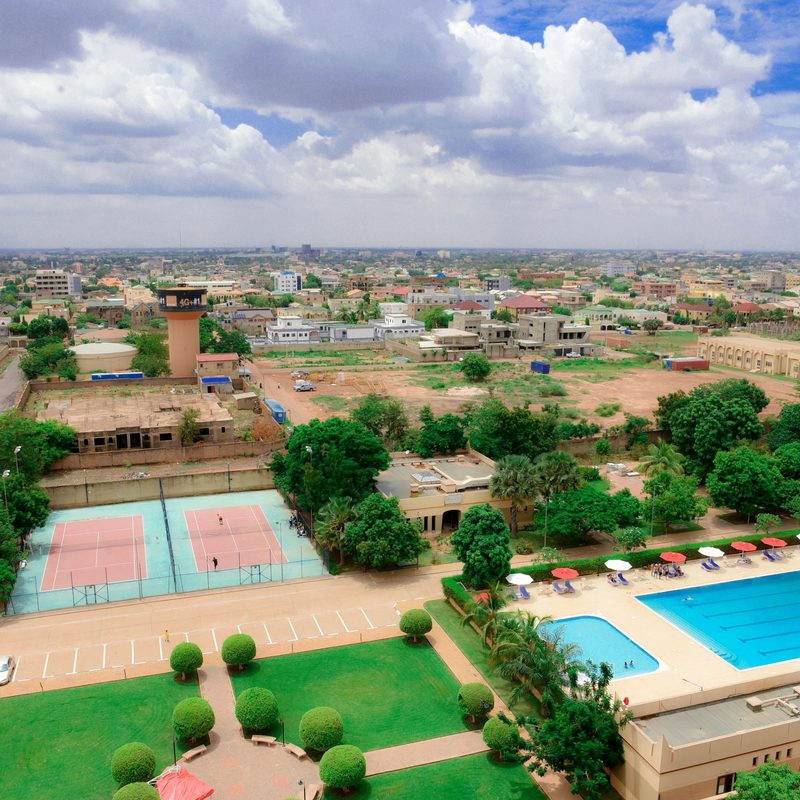
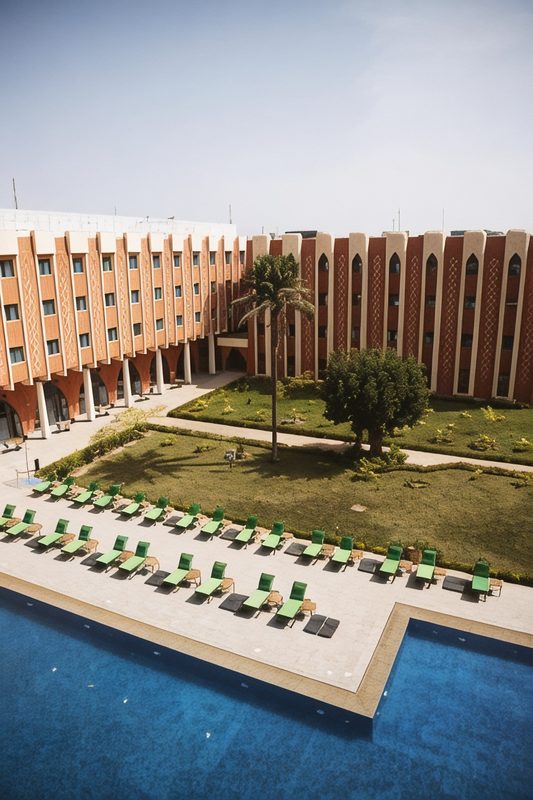
Where to Stay in Ouagadougou in October
Hand-picked hotels across price tiers for October travellers.
Public Holidays in October
Dates that affect opening hours, transport and crowds
Martyrs' Day
Observed nationwide as a public holiday.
Martyrs' Day
Observed nationwide as a public holiday.
Martyrs' Day
Observed nationwide as a public holiday.
Packing Checklist
Bookmark this page — your progress is saved between visits
Need the full list with shopping links?
Climate-specific gear, brand recommendations, and what to leave at home.
View Ouagadougou Packing List →Essential Tips
Insider knowledge and common pitfalls to avoid
Insider Knowledge
French dominates daily life. English is effectively nonexistent outside a handful of international hotels. Even basic French greetings and numbers change how people receive you. Learn 'Laafi' and 'Barka,' the Moore words for peace and thank you. Ouagadougou residents visibly warm when visitors try their language rather than defaulting to French.
Cash is effectively the only payment method outside major hotels. ATMs exist along Avenue Kwame Nkrumah and near larger banks. They run out of bills with frustrating regularity. Network outages are common. Bring enough local currency for several days. Keep smaller denominations for maquis, taxis, and markets. Airport money changing gives worse rates than town banks.
Ouagadougou's green taxis do not use meters. Agree on the fare before getting in. Rides between central destinations should be modest. If a quote feels inflated, smile, thank them, and flag the next one. No shortage of taxis exists. Fair prices emerge quickly after two or three rides. Ride-hailing apps have limited presence here.
The tap water is not safe to drink. Buy sealed bottles. Check that the seal is intact. Refilled bottles circulate. Ice in maquis drinks is typically unfiltered. Try zoom-koom, a cold drink of millet flour, ginger, and lemon sold at roadside stands. It cools and fills. Judge stall hygiene before buying.
Avoid These Mistakes
Avoid outdoor sightseeing between 11 AM and 3 PM. Midday October heat hits 36°C (96°F) with clinging humidity. Little shade exists outside parks and covered markets. Locals retreat indoors. Resume life in late afternoon. Follow their lead. Plan mornings and evenings for activity. Use midday for long lunch, nap, or air-conditioned hotel lobby.
Do not skip malaria prophylaxis. The city feels urban and modern. October is peak transmission season in Ouagadougou. September's standing water bred maximum mosquito populations. They bite most aggressively at dusk, exactly when maquis and live music come alive. Consult a travel medicine doctor before departure. Be rigorous about nets and repellent.
Do not attempt overland travel to other cities without current, specific security guidance. Visiting Bobo-Dioulasso, the Sindou Peaks, or Banfora is understandable. The security situation along major highways outside Ouagadougou is unpredictable. Stick to the capital unless you have reliable, current intelligence from a trusted source on the ground.
Ready to plan your trip to Ouagadougou?
Now that you've got the research covered, here's where to go next.
Explore More Activities in Ouagadougou
Didn't see anything interesting yet?
Browse Viator's full catalog of tours, day trips, food experiences, and private guides in Ouagadougou.
See All Ouagadougou Tours on Viator