
Things to Do in Ouagadougou in November
November weather, activities, events & insider tips
Shoulder Season · Good Value
November Weather in Ouagadougou
Long-run averages for November
98°F (36°C)
High Temp
68°F (20°C)
Low Temp
0.3 inches (8 mm)
Rainfall
28%
Humidity
9
Sunny-Day UV
⚠ Extreme daytime heat reaches 36 degrees Celsius (98 degrees Fahrenheit). UV radiation is intense. Heatstroke threatens visitors. Severe sunburn threatens visitors. Sahelian conditions punish the unprepared. Hydrate aggressively. Stay indoors during midday hours. Wear sun-protective clothing. Take this seriously.
⚠ Late November can bring first Harmattan dust from the Sahara. Visibility drops. Respiratory irritation follows. Travelers with asthma suffer most. Dust sensitivities flare. Conditions vary year to year. Pack a dust mask. The preparation costs nothing. The protection matters.
⚠ Malaria remains endemic in Ouagadougou year-round. November's drier conditions reduce mosquito populations. They do not eliminate risk. Prophylaxis is mandatory. Repellent is mandatory. Bed nets are mandatory. These are not optional precautions. They are essential.
Is November Right for You?
Weigh the advantages and considerations before booking
Advantages
- + November hits the sweet spot. The rains have ended, the Harmattan dust has not yet arrived. The Sahel around Ouagadougou still glows green from October's last downpours. Laterite soil holds that dark ochre hue. Baobabs along the Route de Koudougou carry full canopies. December strips that green away. You get the wet season's visual payoff. None of the mud. None of the mosquitoes.
- + The 18th SIAO runs October 30 through November 8, 2026. This is the single best reason to visit early November. Over two thousand artisans from West and Central Africa set up under open pavilions south of Avenue de la Resistance. They sell bronze castings from Benin. Indigo bogolan cloth from Mali. Burkinabe leather goods still smelling of tannin. Diplomats come. Textile buyers come. Travelers who know quality come. At night, live music fires up. Grilled meat smoke drifts between stalls. You will not find this atmosphere at any other craft fair on the continent.
- + Evenings drop to 20 degrees Celsius (68 degrees Fahrenheit). In Ouagadougou, this counts as cool. The maquis, the open-air bars and grills that define city social life, fill after sundown. It is finally comfortable outside. No sweat running down your back. November nights are the year's best for eating, drinking, walking Koulouba or Zone du Bois.
- + Accommodation pressure stays low outside SIAO week. November sits between conference season and December's holiday diaspora. Arrive after November 8. Rooms open up at short notice. Rates run well below December and January levels.
Considerations
- − Security is the defining constraint. As of 2026, the US, Australian, Canadian, and most European governments maintain highest-level travel warnings for Burkina Faso, including Ouagadougou. A military government holds power since two 2022 coups. An active jihadist insurgency controls significant territory outside the capital. Travel beyond Ouagadougou, even to Laongo sculpture park 35 km (22 miles) east, requires careful security assessment and a trusted local guide. The city functions normally. Restaurants open. Markets open. Cultural institutions open. The context cannot be glossed over. Check your government's advisory before booking.
- − Daytime heat is relentless. Highs hit 36 degrees Celsius (98 degrees Fahrenheit). Almost no cloud cover. Dry Sahelian air offers zero humidity cushion. Between 11 AM and 3 PM, the sun punishes. Locals retreat indoors or under shade. Coming from a temperate climate, midday intensity will limit comfortable outdoor activity.
- − Medical infrastructure remains limited by regional standards. Public clinics lack supplies. Facilities serving expatriates and diplomats are few. Complete travel insurance with medical evacuation coverage is essential here. Not optional. Essential.
Best Activities in November
Top things to do during your visit
SIAO Craft Fair Immersion at the Exhibition Grounds
If your trip overlaps November's first eight days, SIAO is your anchor. Exhibition grounds south of the city centre fill with over two thousand artisan stalls, grouped by country and craft. Bronze-casters from Burkina's Lobi country work in the open. They pour molten metal into lost-wax moulds while heat shimmers off the crucible. Textile pavilions smell of shea butter and raw cotton. Tuareg silversmiths from Niger lay out heavy Agadez crosses on indigo cloth so dark it stains your fingers. Go early morning. Light is soft. Aisles are navigable. Return after dark for live music. Balafon players and kora virtuosos perform under generator floodlights. November's dry air and cool evenings make nighttime sessions comfortable for hours. Book ahead if arriving before November 8. Delegations from across Africa tighten room availability.
Booking Tip: No ticket needed for the fair itself. Arrange accommodation early for October 30 through November 8. Book guided cultural tours of Ouagadougou, including SIAO context, through licensed local operators at least two weeks ahead. See current options in the booking section below.
Parc Urbain Bangr-Weoogo Morning Walks
This 265-hectare forest wedge inside the city was a sacred Mossi grove long before Ouagadougou grew around it. It still feels like entering another country. November mornings start cool, 22 to 24 degrees Celsius (72 to 75 degrees Fahrenheit). Birdsong drowns traffic on Avenue Charles de Gaulle just outside. The canopy, still thick and green from the wet season, filters early sun into dappled patches on laterite paths. You hear bulbuls and rollers before seeing them. Damp leaf litter smells startlingly lush for a Sahelian capital. A small botanical garden and modest zoo sit inside. The real draw is the forest walking circuit. Ninety minutes at an easy pace. By 10 AM heat climbs fast. Arrive at opening. Finish before the sun gets overhead.
Booking Tip: No advance booking required. The park is walkable from the city centre, or a short taxi ride. For birding or natural history walks, seek licensed nature guides through local operators. See the booking section below for current tour options.
Moro-Naba Friday Morning Ceremony
Every Friday at 7 AM, the Mogho Naba, the traditional emperor of the Mossi people, performs a ritual at his palace near the Grand Marche that has not changed in centuries. The ceremony runs only about fifteen minutes. But it is theatrically dense. Chiefs take their seats according to rank on woven mats in the dust of the palace courtyard while the emperor appears on horseback dressed in red, the colour of war. After the senior chiefs pledge allegiance, he withdraws and returns in white, signifying peace, and the court disperses. No photography is permitted. You have to watch it rather than record it, and the quiet intensity of the courtyard, the stamping of the horse, the formal Mossi greetings exchanged in low voices, stays with you precisely because you cannot photograph it. November's dry air and cool early mornings make the 7 AM start comfortable rather than the sweaty ordeal it becomes in the wet months.
Booking Tip: No booking or tickets needed. Arrive by 6:45 AM and stand quietly at the edge of the courtyard. A local cultural guide can provide context on the ceremony's history and symbolism. Check the booking section below for guided Ouagadougou cultural tours that include the ceremony.
Laongo Granite Sculpture Park Day Trip
About 35 km (22 miles) east of Ouagadougou on the road to Ziniaré, a hillside of raw granite boulders has been transformed into one of West Africa's most surprising open-air galleries. Since the first symposium in the 1980s, sculptors from across the world have carved over two thousand works directly into the stone, and the effect of walking between massive abstract forms on the warm granite, with the Sahel scrubland stretching flat to the horizon, is unlike any museum experience. November is ideal because the surrounding bush is still green from the rains, the contrast of pink granite against green scrub is at its sharpest, and the morning light before 10 AM throws long shadows across the carvings that disappear by noon. Many operators pair the sculpture park with a stop at Bazoulé, where a village community has maintained a sacred relationship with a population of wild crocodiles for generations, though the crocodile site requires its own security assessment.
Booking Tip: Travel outside Ouagadougou requires a security check and a trusted local guide. Do not attempt this independently. Book through established local tour operators with current knowledge of road conditions, ideally two weeks ahead. See the booking section below for current day-trip options.
Poulet Bicyclette and Maquis Evening Circuit
Ouagadougou's food identity lives in the maquis, the open-air courtyard bars where grilled chicken, cold beer, and conversation are the entire programme. Poulet bicyclette, free-range chicken named for the bicycle vendors who originally hawked it through the neighbourhoods, is the city's signature dish. The birds are smaller and leaner than factory-raised poultry, marinated in ginger, garlic, and ground soumbala, then grilled over charcoal until the skin crisps and the fat renders into the coals with a hiss and a cloud of smoke that you can smell from two blocks away. November evenings are made for this. The temperature drops into the low twenties Celsius (low seventies Fahrenheit), the charcoal smoke hangs in the still, dry air, and the soundtrack is conversation, clattering Brakina beer bottles, and whatever Burkinabe pop or Ivorian coupé-décalé is playing from a speaker wired to a car battery. The Zone du Bois area and the maquis along Avenue Kwame Nkrumah are the traditional circuits. Pair the chicken with tô, the thick millet or sorghum paste that you tear off in pieces and dip into a peanut or okra sauce, and finish with a plastic bag of zoom-koom, a cold millet-and-ginger drink sold from insulated coolers on every corner.
Booking Tip: No booking needed for maquis. They are informal by nature and you simply walk in. For a guided food-focused evening that covers multiple neighbourhoods and explains the dishes, look for cultural food tours with local guides. Check the booking section below for current options.
Grand Marche and Village Artisanal Craft Shopping
The Grand Marche, known locally as Rood Wooko, occupies a concrete hall near the city centre and spills outward into surrounding streets in every direction. Inside, the heat concentrates under the low roof and the air is thick with the smell of dried fish, ground shea nuts, and the sharp tang of locally produced soap. The fabric section alone could absorb an entire morning: bolts of wax-print cotton in patterns you will not see outside West Africa, stacked floor to ceiling, with vendors who will bargain firmly but without hostility. For craft purchases aimed at quality rather than volume, the Village Artisanal on the eastern side of the city is more curated. Bronze figurines, carved masks, dyed leather bags, and woven baskets sit in individual artisan workshops where you watch the maker at work. November, with SIAO pulling international buyers into the city, also raises the general quality of craft stock across Ouagadougou, as artisans bring their best inventory for the fair and whatever does not sell there filters into these markets.
Booking Tip: No booking required. Go to the Grand Marche before 9 AM to beat the worst heat. Bargaining is expected and part of the interaction. For a guided market tour with cultural context and translation, book a local guide at least a week ahead. See the booking section below.
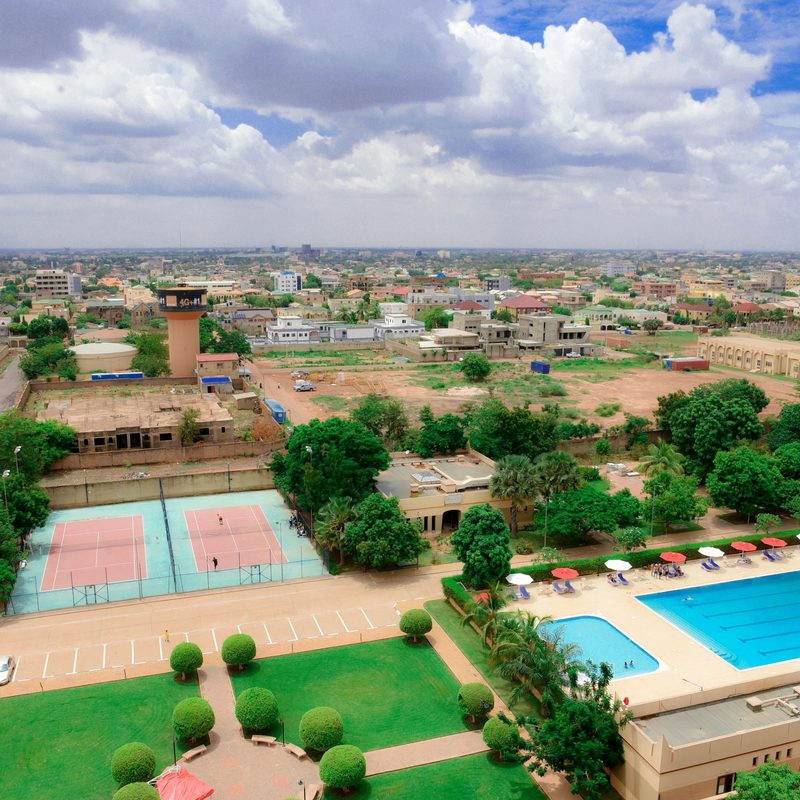
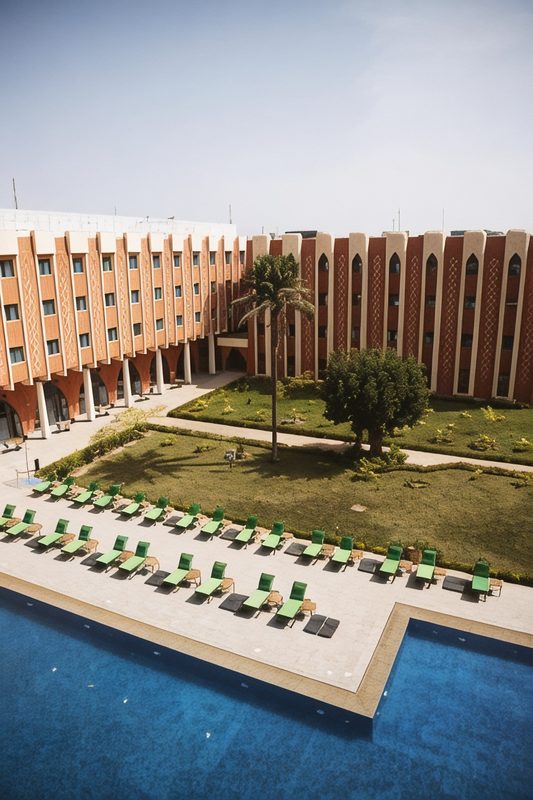
Where to Stay in Ouagadougou in November
Hand-picked hotels across price tiers for November travellers.
Public Holidays in November
Dates that affect opening hours, transport and crowds
All Saints' Day
Observed nationwide as a public holiday.
All Saints' Day
Observed nationwide as a public holiday.
All Saints' Day
Observed nationwide as a public holiday.
Packing Checklist
Bookmark this page — your progress is saved between visits
Need the full list with shopping links?
Climate-specific gear, brand recommendations, and what to leave at home.
View Ouagadougou Packing List →Essential Tips
Insider knowledge and common pitfalls to avoid
Insider Knowledge
The Moro-Naba ceremony is the single cultural experience in Ouagadougou that no amount of money can replicate elsewhere, and most visitors miss it because it happens at 7 AM on a Friday and nobody is awake. Set an alarm. The ceremony runs about fifteen minutes and it is over before eight. No photography is allowed, which is enforced, so leave the camera at the hotel and just be present. The courtyard's quiet, the dust, the formal Mossi greetings, the horse: it registers differently when you cannot hide behind a lens. Be there.
November's SIAO fair means the city's artisan prices drop for bulk buyers but can rise for single-piece tourists, because vendors know they have a captive audience. If you are buying crafts at SIAO, walk the entire fair on day one without purchasing anything. Get a sense of prices, quality, and range. Come back on day two or three with specific targets. The last two days of the fair, November 7 and 8, are when vendors are most willing to negotiate, because shipping unsold inventory home is expensive. Wait for these days.
Ouagadougou's nightlife centres on the Zone du Bois district west of the city centre, where open-air bars and live music venues cluster along unpaved streets lit by string lights and generator-powered sound systems. November's dry, cool evenings are the best time of year to experience it. The music typically does not start until 10 PM and runs past 2 AM. Taxis become scarce after midnight, so arrange your return transport before you go in. Book your ride early.
The local Brakina beer, brewed in Ouagadougou since 1960, is ubiquitous and served ice-cold at every maquis. It is a light lager that pairs well with the grilled chicken and spicy peanut sauces. But the drink you should try is dolo, a thick, slightly sour millet beer brewed by women in the traditional quarters and served from calabash gourds. It is an acquired taste, fermented and grainy. But it is the drink of Mossi social life, and sharing a calabash of dolo is one of the most genuine social exchanges you can have in the city. Ask your hotel or guide where to find a dolotière, the women who brew and sell it from their homes. Try dolo.
Avoid These Mistakes
Attempting to travel outside Ouagadougou without a security assessment and a local guide. The security situation beyond the capital is serious and evolving. Roads that were safe six months ago may not be now. Even the 35 km (22 mile) drive to the Laongo sculpture park requires current intelligence. Never rely on outdated travel blogs or your own confidence. Engage a local operator who knows the current conditions, and check your government's advisory before finalising any day-trip plans. Do not risk it.
Schedule outdoor activities between 11 AM and 3 PM. First-time visitors underestimate how draining 36 degrees Celsius (98 degrees Fahrenheit) feels. The Sahelian sun hits hard. Your body expects humidity to trigger cooling sweat. It will not come. Plan markets, walking, and sightseeing for early morning or late afternoon. Midday belongs indoors. Try a hotel pool. Find a maquis courtyard. Order a cold drink. Sit in shade.
Photographing the Moro-Naba ceremony, military installations, government buildings, or people without asking breaks local rules. Photography restrictions in Ouagadougou are enforced. Consequences range from a confiscated phone to a police station visit. At the Moro-Naba palace, the ban is absolute. In markets and public spaces, ask before pointing a camera at anyone. Accept a refusal without argument. This is not a suggestion. It is basic respect. Burkina Faso takes respect seriously.
Ready to plan your trip to Ouagadougou?
Now that you've got the research covered, here's where to go next.
Explore More Activities in Ouagadougou
Didn't see anything interesting yet?
Browse Viator's full catalog of tours, day trips, food experiences, and private guides in Ouagadougou.
See All Ouagadougou Tours on Viator